Reading, Writing and Fighting Health Disparities: School Nurses Making Differences in Children's Health (738 hits)
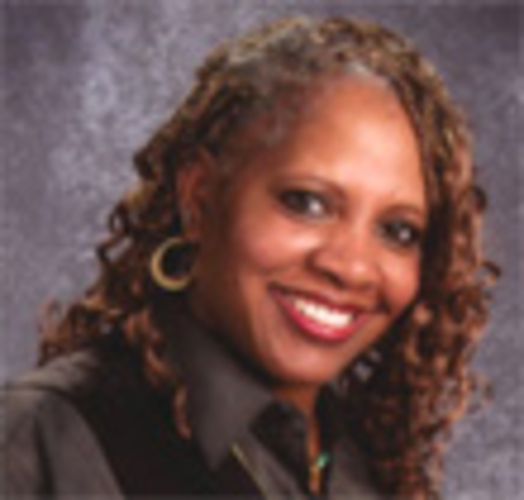
Cynthia Samuel, R.N., M.S., Ph.D.-C, calls everyone "dear" or "sweetie." But her nurturing disposition belies a certain tenacity. She is determined to eliminate the health disparities she sees every day working in an urban elementary school in Irvington, New Jersey. "I became a nurse because I love working with children, especially underserved, underprivileged children in the urban community," Samuel says.
Her students are part of the most vulnerable population suffering from health and economic disparities, so often disproportionately tied to race and ethnicity. But at school, through the nurse, they have access to potentially life-changing care and support. Each morning, students of varying ages greet nurse Samuel at her office door. Often, their basic needs have not been met. They are hungry, tired, and they don't want to be at school. "These children are very needy," she says. And it goes beyond food and shelter. "They need love. They need encouragement."
A visit to Samuel's office may be the only professional health care some students receive, as parents choose to avoid a trip to the pediatrician they cannot afford. "They don't receive immediate health care. Oftentimes it's delayed until they see the nurse," Samuel says. And ongoing problems that do make it to a clinician, like a persistent cough, have often been ignored too long. "By the time they reach the doctor, the situation has evolved into a complex matter."
{According to Samuel there has been a } drastic shift in the allocation of education funds during the past 15 years has also cut into the nursing budget. "Many districts respond by lowering the standards of [nursing] care, assigning procedures like catheterization, suctioning, and diabetes management to school secretaries and other personnel who are not prepared," Davis-Alldritt says. "In any other setting, this would not happen—it would be considered unsafe." While the recently passed Patient Protection and Affordable Care Act will eventually impact school nurses and their work, "it will be several years before these measures are implemented, and even then, not all children will be covered."
NASN is working to identify research priorities to determine how to best utilize school nurses. There are also plans to commit government stimulus money to create uniform electronic medical records in schools, allowing nurses to more easily share information with other local health care providers, ensuring the most accurate, up-to-date information. They are small steps on an administrative level, but Samuel cites strength in numbers.
School nurses become enmeshed in the whole life of the school and surrounding community, Fletcher says. Families even came to her for a second opinion after seeing doctors at their local clinic. At times, they function as case manager, policy maker, and consultant. Unique health care challenges, socioeconomic issues, and the public health factor make school nursing a demanding, but rewarding specialty. "You have to love it," Fletcher says. "It's transformative. It changes the way you look at life."
The ins and outs of school nursing Without a doubt, school nurses are on the front line of pediatric health. The stereotype that school nurses only distribute children's aspirin, bandage schoolyard scrapes, and watch over anyone lying down with a headache is largely misguided. They provide physical and emotional health services, including acute and urgent care in response to illness and injury. They monitor chronic diseases and counsel students and parents regarding condition management. They provide health education for individuals and classrooms, health assessments (vision, hearing, height/weight, scoliosis, etc.), and referrals to primary health care providers and emergency rooms. They also communicate with school staff, parents, and health care providers related to individual student needs, explains Linda Davis- Alldritt, R.N., president of NASN (...) On the administrative side, nurses review immunizations and maintain students' medical histories.
"We have to reform health care in the schools," Samuel says, calling for increased research and funding, particularly promoting pediatric health in urban communities. Many schools are under funded and under staffed. "We have issues of wide disparity between states on the caseloads of school nurses," says Davis-Alldritt. "Some nurses are expected to care for thousands of students in multiple buildings." She notes that nurses practice in only 75% of U.S. schools. "School nurses will always provide a safety net, ensuring that children are ready to learn," Davis-Alldritt adds. In order for that net to be secure, a nurse must first be present and supported.
"We need to be unified. We need to have a strong voice collectively to make elected officials aware of who we are, what we do," Samuel says. "We need to be recognized and we need to be advocated for." Samuel says she wants to fill that role, consulting on a state and national level, in addition to her work with students. "I want to be the voice for underserved, underprivileged children," she says. Samuel already campaigns for pediatric health by speaking out on the subject. Healthy children perform better academically, and Samuel says her doctoral research shows the relationship between pediatric health and increased learning readiness. It's easy to use the resources obtained as a nurse to become an advocate for the children, Samuel says. "We do make a difference by being here."