Is a Graphic Slavery Film Too Much for Nine-Year-Olds? (358 hits)
A Chicago teacher has upset parents by showing ‘The Middle Passage’ to fourth-graders.
The Huffington Post reports that a Chicago teacher’s decision to show The Middle Passage to a fourth-grade class has upset some parents:
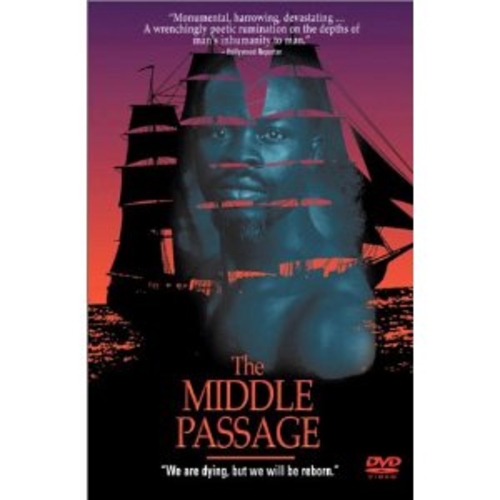
The HBO-produced feature, directed by French film-maker Guy Deslauriers and starring Djimon Hounsou, describes in graphic detail the voyage of African slaves across the Atlantic to the New World. The brutal conditions aboard slave ships are tackled head-on; suicide and child rape are among the horrors depicted and discussed.
So when a teacher in Chicago's north suburbs showed the film to her fourth-grade students, some parents were not pleased.
"As a parent and father I was destroyed, in the sense that I felt incapacitated in protecting my child," said Patrick Livney, father of nine-year-old Becca, a student at the Greeley School in Winnetka where the film was shown. "The concept of a rape, suicide, depression at the age of 9 years old is a sad commentary," he said, according to CBS.
. . . after a meeting yesterday, Winnetka School District 36 changed that policy. Now, teachers may only bring in G-rated supplemental materials, unless they seek administrative approval.
We have to agree with the parents here. It seems the very relevant lesson the teacher intended to convey with this film could be overshadowed by the shock of the being exposed to such graphic content for the first time (for black and white children alike).
There are plenty of ways to express the horrors of slavery -- families being torn apart, abysmal living conditions, and the very fact of human beings being owned -- in a way that can get through to elementary school kids without giving them nightmares. Not to mention, popping in a film seems like a shortcut around figuring out how to teach slavery through an age-appropriate and potentially more meaningful lesson plan.
Editorial Reviews Amazon.com The first image seen in The Middle Passage is a spotless tropical beach. But this is paradise lost, and most of the remainder of this poetically harrowing feature is spent on a slave ship bound from the African coast to the New World. The purpose of Martinique-born director Guy Deslauriers is not to tell a story--there is no dialogue--but to impressionistically capture the horror of the "middle passage," the trans-Atlantic journey in human cargo. As the images of death and disease move by, they are augmented by narration spoken by an African--perhaps his voice is every slave's--on board.
The fascinating narration, adapted by the novelist Walter Mosley (from the original French), is spoken in the hauntingly musical cadences of Djimon Hounsou (Amistad), and brings home the spiritual ruin of people separated from land and ancestors. This is a film not only of horror, but of sorrow. --Robert Horton
Product Description It was the route between Africa and the New World that carried slaves to exchange for sugar and tobacco. It was the sea that carried a human cargo, a resting place for thousands who would not survive the journey. It was called THE MIDDLE PASSAGE.