Maryland Legislator Proposes New ' Phylicia's Law ' (610 hits)
BlackAmericaWeb.com
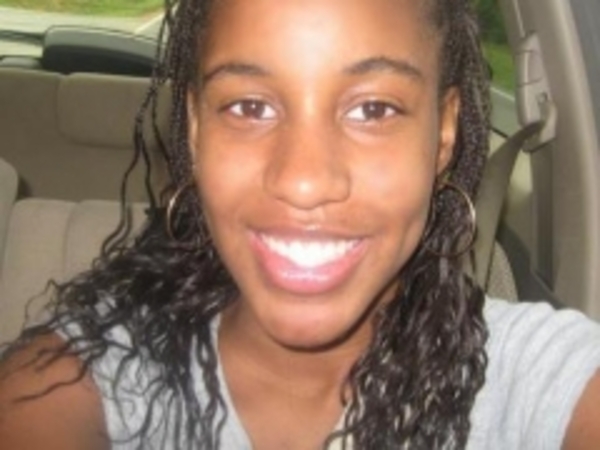
March 22, 2012 Phylicia Barnes' lifeless body was pulled from the icy waters of the Susquehanna River in April 2011. Family members and friends hoped and prayed they would once again see the beautiful, smiling face of North Carolina teen Phylicia Barnes, who seemingly vanished into thin air on Dec. 28, 2010 in Northwest Baltimore. But those hopes were shattered when Barnes' lifeless body was pulled from the icy waters of the Susquehanna River in northeast Maryland in April 2011.
Her murder still remains a mystery.
However, a Maryland lawmaker – motivated by the memory of the promising honor student – wants to help make the urgent process of searching for missing persons more effective in the future - and perhaps save lives. Maryland House Bill 1120, also known as "Phylicia’s Law," is authored by Baltimore Delegate Jill Carter, and if passed, it would help "coordinate local law enforcement agencies, national missing children's organizations, missing children experts and the family of a missing child to locate (them)," according to the bill.
"The Phylicia Barnes case really raised my awareness of the gravity of the issue," Carter said this week. "While we know about the Phylicia Barnes tragedy, we don't know the 400 other missing children - mainly black, brown and poor - from Baltimore City or the 1,500 across the state of Maryland in just 2011 who went missing and were never found," Carter added.
Specifically, Carter hopes her legislation will trigger more urgency on behalf of law enforcement in cases of older teens who are missing and may be in danger. "Under the current law, one of the factors the police look at in determining the sense of urgency with which they begin to look or search for a child after being reported missing is age," Carter explained. "Phylicia Barnes was 16.
Age 14 and under are given priority ... the belief is, 'Well, if they're a (older) teenager, maybe they ran away.' But the issue is if they're a minor, and we treat them as a minor under the law without the responsibilities of adults, then we should treat them as children," she added. "Whether your child stormed out of the house angry with you or not is not the issue. The issue is 'Could that person be in danger, and should we look for them?'"
The search for Barnes had been called "Baltimore’s Natalee Holloway case," and only through the persistence of her family and the Baltimore City Police Department did her story eventually garner national attention. Still, that attention was dwarfed by the publicity other cases – including the Holloway case – have received from national media over the years. The effort in Maryland, led by Carter, is part of a burgeoning national movement to shed more light on the disturbing numbers of blacks and other people of color that go missing in America. Although the black community only accounts for 13 percent of the U.S. population, black Americans make up nearly 34 percent of missing persons according to the FBI.
The TV One produced show, "Find Our Missing," focuses on the plight of missing people of color and aims to raise awareness. The show is hosted by award-winning actress S. Epatha Merkerson, who portrayed Lt. Anita Van Buren on the long-running series "Law and Order." "Find Our Missing" airs Wednesdays at 9 p.m. and was created as a result of a partnership with the Black and Missing Foundation, located in Washington, D.C.
Recently, the organization's co-founder, Derrica Wilson, appeared on ABC's "The View" with the parents of missing teen Mishell Green. Within hours of their interview, NYPD detectives closed Green's case when she was found alive and ultimately reunited with her parents. The 16-year-old had been missing for more than five months and had been last seen heading to .....