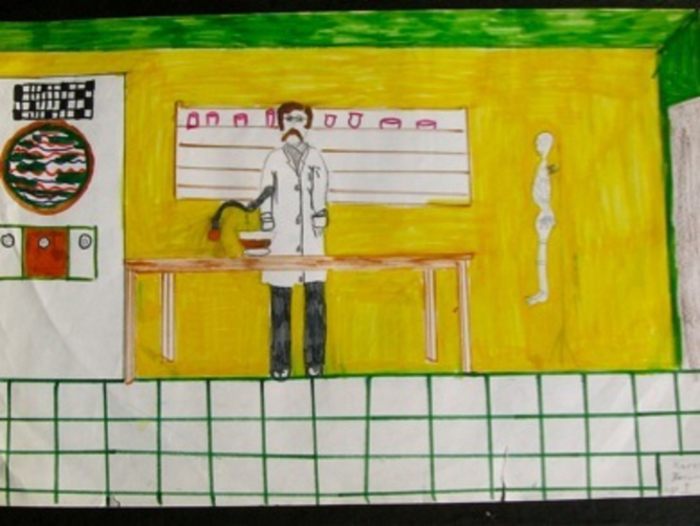
Most people think ‘man’ when they think ‘scientist’ – how can we kill the stereotype? (4691 hits)
Children learn to associate science with men at early ages. Over 40 years ago, less than 1% of American and Canadian elementary school children drew a woman when asked to draw a scientist. My latest research, published in Journal of Educational Psychology, shows that gender-science stereotypes persist even now, worldwide.
Using data from nearly 350,000 people in 66 nations, my colleagues and I found that these stereotypes prevail even in supposedly “gender-equal” nations like Norway and Sweden. These stereotypes matter because they can cause actions such as comments that overlook female scientists and hiringbiases that favor men in some contexts.
Identifying the extent of the issue is one thing. It is another matter to learn how to change these beliefs so they reflect the diversity of actual scientists – and the children of both s*xes who hope to grow up to join them.
More women, weaker stereotypes
The good news is that gender-science stereotypes were weaker in nations with more women in science. Nations with more female science majors, for instance, had weaker gender-science stereotypes on both “explicit” and “implicit” measures.