Gout is a form of inflammatory arthritis characterized by excessive swelling and extreme tenderness in the joints, most often the metatarsal-phalangeal joint of the big toe. The signs, symptoms and general manifestations of gout are closely linked to poor dietary patterns and its occurrence has also been shown to parallel that of many lifestyle-related conditions including obesity, high blood pressure, high cholesterol, and diabetes.
Gout is caused by excessive accumulation of uric acid and uric acid salts in the bloodstream. Although once considered a "male-only disease" the risk of developing gout is greatly increased in both men and women alike if preventative measures aren’t taken. To reduce your risk of developing gout or to effectively treat it if you already have it, here are six lifestyle-related strategies that have been proven highly effective.
Although gout is closely linked to consumption of meats and seafood, it’s not necessary to eliminate these foods from your diet, as they are excellent sources of protein and a host of much-needed vitamins and minerals. When it comes to reducing your risk of gout, the key word is "moderation".
With that said, if you’re one who enjoys an occasional meal of surf and turf, the most important thing is that you don’t go overboard. When it comes to meat, limit your consumption to 1-2 weekly servings and choose free-range, grass-fed over grain-fed varieties whenever possible. As for seafood, opt for 2-6 weekly servings in the forms of wild salmon, trout or tilapia.
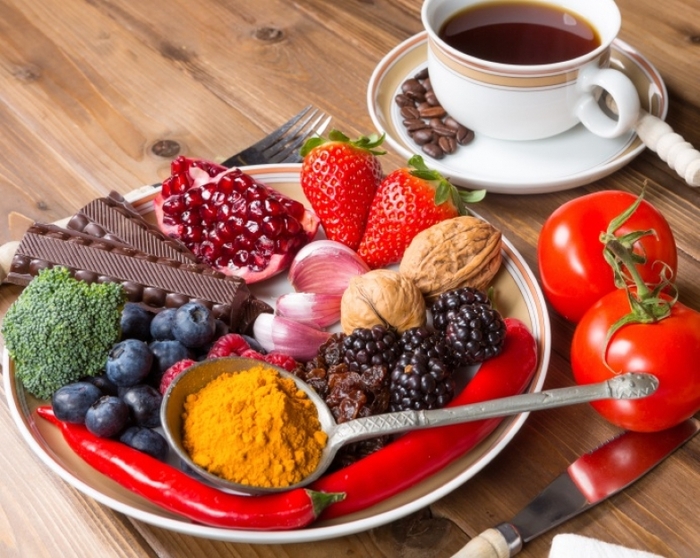
So I confess, I’m a coffee drinker. But, I’m not being biased here. Yes, drinking coffee may seem unorthodox to some as it contains abundant amounts of the natural stimulant caffeine. However, long-term moderate coffee consumption (1-3 cups a day) is associated with much lower incidents of gout in both men and women.
In addition to its caffeine content, coffee is a valuable source of potassium, magnesium, and potent antioxidants like phenol chlorogenic acid. Collectively, these nutrients have been proven to reduce circulating levels of uric acid thereby helping to alleviate many of the signs and general manifestations of gout.
A high intake of low-fat dairy foods is associated with ... Read the rest here: http://www.ninacheriephd.com/you-your-body-and-your-health/six-ways-to-prevent-the-onset-of-gout