The Twelve Days of Christmas is probably the most misunderstood part of the church year among Christians who are not part of liturgical church traditions. Contrary to much popular belief, these are not the twelve days before Christmas, but in most of the Western Church are the twelve days from Christmas until the beginning of Epiphany (January 6th; the 12 days count from December 25th until January 5th). In some traditions, the first day of Christmas begins on the evening of December 25th with the following day considered the First Day of Christmas (December 26th). In these traditions, the twelve days begin December 26 and include Epiphany on January 6.
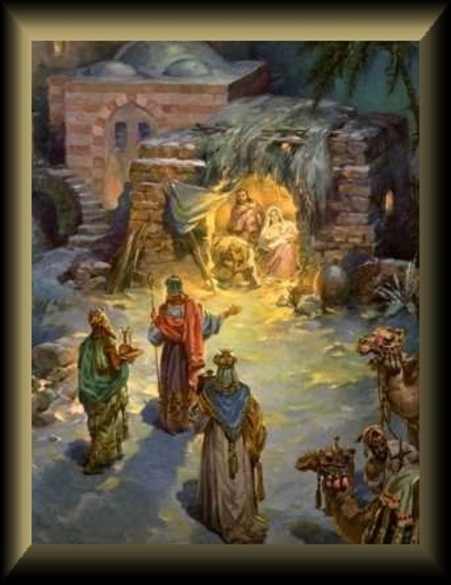
The Twelfth Night is January 5th, the last day of the Christmas Season before Epiphany (January 6th). In some church traditions, January 5th is considered the eleventh Day of Christmas, while the evening of January 5th is still counted as the Twelfth Night, the beginning of the Twelfth day of Christmas the following day. Twelfth Night often included feasting along with the removal of Christmas decorations. Many European celebrations of Twelfth Night included a King's Cake, remembering the visit of the Three Magi, and ale or wine (a King's Cake is part of the observance of Mardi Gras in French Catholic culture of the Southern USA). In some cultures, the King's Cake was part of the celebration of the day of Epiphany.
The popular song "The Twelve Days of Christmas" is usually seen as simply a nonsense song for children with secular origins. However, some have suggested that it is a song of Christian instruction, perhaps dating to the 16th century religious wars in England, with hidden references to the basic teachings of the Christian Faith. They contend that it was a mnemonic device to teach the catechism to youngsters. The "true love" mentioned in the song is not an earthly suitor, but refers to God Himself. The "me" who receives the presents refers to every baptized person who is part of the Christian Faith. Each of the "days" represents some aspect of the Christian Faith that was important for children to learn.
Religious symbolism of The Twelve Days of Christmas
(The 12 Days of Christmas)
1 True Love refers to God 2 Turtle Doves refers to the Old and New Testaments 3 French Hens refers to Faith, Hope and Charity, the Theological Virtues 4 Calling Birds refers to the Four Gospels and/or the Four Evangelists 5 Golden Rings refers to the first Five Books of the Old Testament, the "Pentateuch", which gives the history of man's fall from grace. 6 Geese A-laying refers to the six days of creation 7 Swans A-swimming refers to the seven gifts of the Holy Spirit, the seven sacraments 8 Maids A-milking refers to the eight beatitudes 9 Ladies Dancing refers to the nine Fruits of the Holy Spirit 10 Lords A-leaping refers to the ten commandments 11 Pipers Piping refers to the eleven faithful apostles 12 Drummers Drumming refers to the twelve points of doctrine in the Apostle's Creed