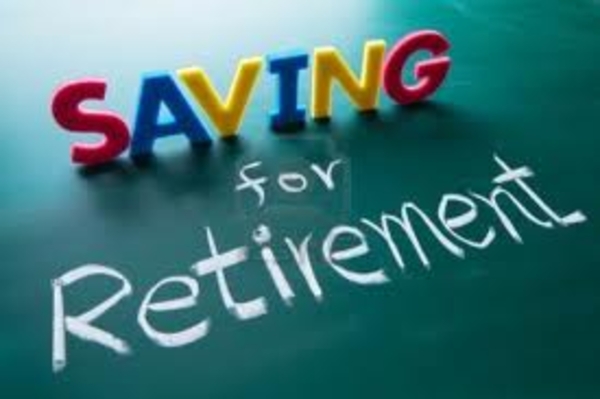
Retirement is at risk of becoming the quaint American experiment. In reality, the concept of someone leaving the work force before death didn't exist in our culture before 1935. In less than 100 years, retirement has gone through a number of changes. The means to retire has shifted from employers and government and back to the worker himself with the 401(k) quickly becoming the only real way of leaving the work force at the end of a career.
It is important to know that the dream of having a "leisure retirement" will not be achieved by Social Security benefits alone, but rather from a lifetime of self-determination and discipline. For those new to the workforce, or not yet totally engaged in retirement preparation, here is what you need to know about the realities of retirement in America.
The History of Retirement In 1900, the average life expectancy of a worker was about 49 years. For those living beyond that, retirement meant replacing physically demanding tasks with more docile ones that benefitted the extended family.
The Social Security Act of 1935 was derived to benefit the general welfare of citizens during the great depression. In addition to the aged, it was also designed to address public health, unemployment, and to provide provisions for the disabled, their dependants and maternal and child welfare. Though not specifically created as a "retirement plan", its definition morphed over time.
Pensions became popular during World War II as a means to compensate for wage and price stabilization programs needed to control inflation. Its popularity continued through the 1980s long after the reason for its initiation had passed. By the end of the last century, Defined Contributions Plans like the 401(k) were introduced for higher earners to harbor more retirement money while enjoying a tax advantage for doing so. For many, they have now become the main form of retirement savings.
However, unlike a pension or Social Security that has mandatory enrollment, employers could choose to "opt-out" which leave employees at risk of inadequate savings when they leave the workforce. With the increasing speculation that Social Security cannot continue unless reformed, coupled with the phase out of pensions and the average life expectancy growing to almost 80 years, the concept of retirement in the United States is at a crucial crossroads.
Retirement Today What is retirement? The dictionary defines it as leaving one's job or ceasing to work. Whether it is a leisure retirement or barely scraping by is entirely up to the individual worker. If we have learned anything over the past 80 years, it is that retirement programs will come and go and Social Security alone will never be enough. Each worker will define their own retirement experience. And the experience will be determined from the very first day they enter the workforce. Retiring in the current economic culture takes years of self-determination, discipline, and education. It also involves participation in Defined Contribution Plans.
Defined Contribution Plans A defined-contribution plan is a plan in which an employee's retirement benefit depends on the contributions made by the employee himself. In addition to the contributions